
Update: the R code used to collect and clean the Politwoops and Twitter data is in this follow-up post, and the PolitwoopsR package that automates data collection is on GitHub. This post is from 2015; the charts reflect data from 2011 to 2015.
For some months now, I’ve been playing with data from Politwoops (the site is now offline; the link opens an archived copy), an international project that tracks politicians on Twitter and stores their deleted tweets for posterity. The project started in the Netherlands and spread to dozens of other countries. In the US, it was run by the Sunlight Foundation. Looking at those deleted tweets has been one of my side projects at the Lazer Lab. The initial idea was to separate tweets deleted for trivial reasons (typos, broken links) from those with politically problematic content, compare the latter to non-deleted tweets, and see whether some political issues appear disproportionately often in content removed by the left and the right.
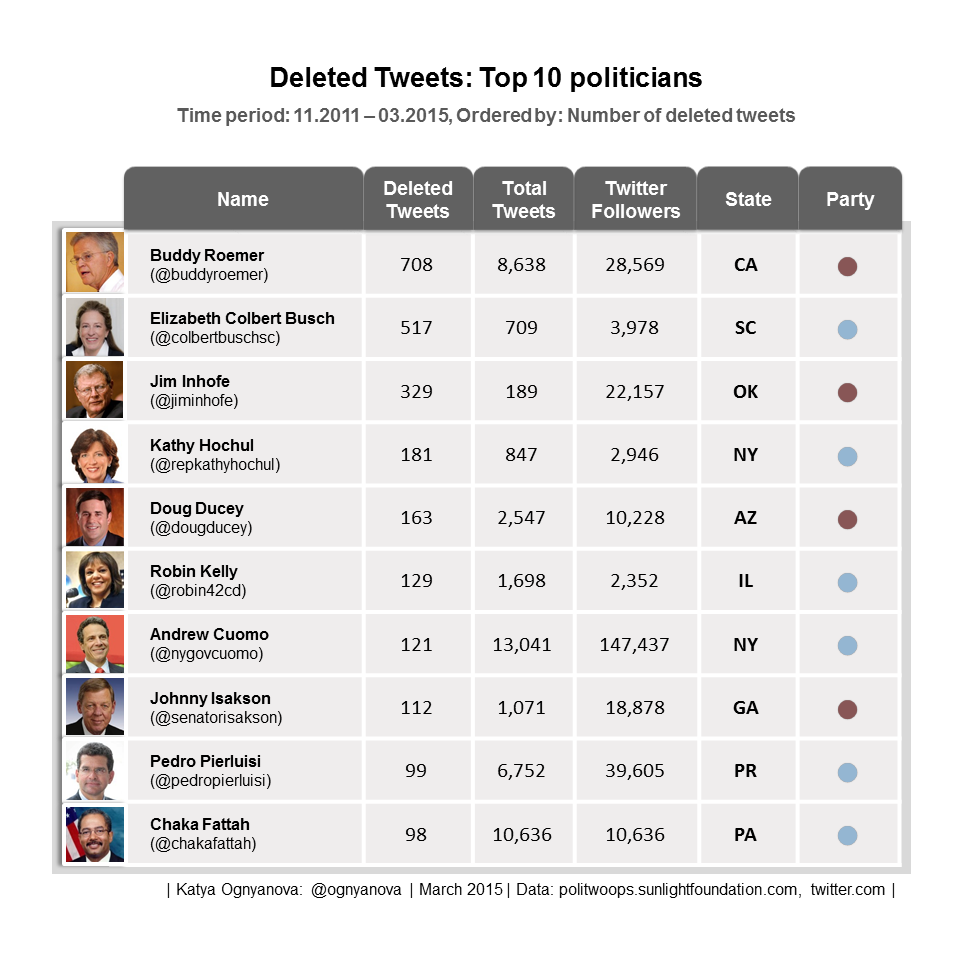
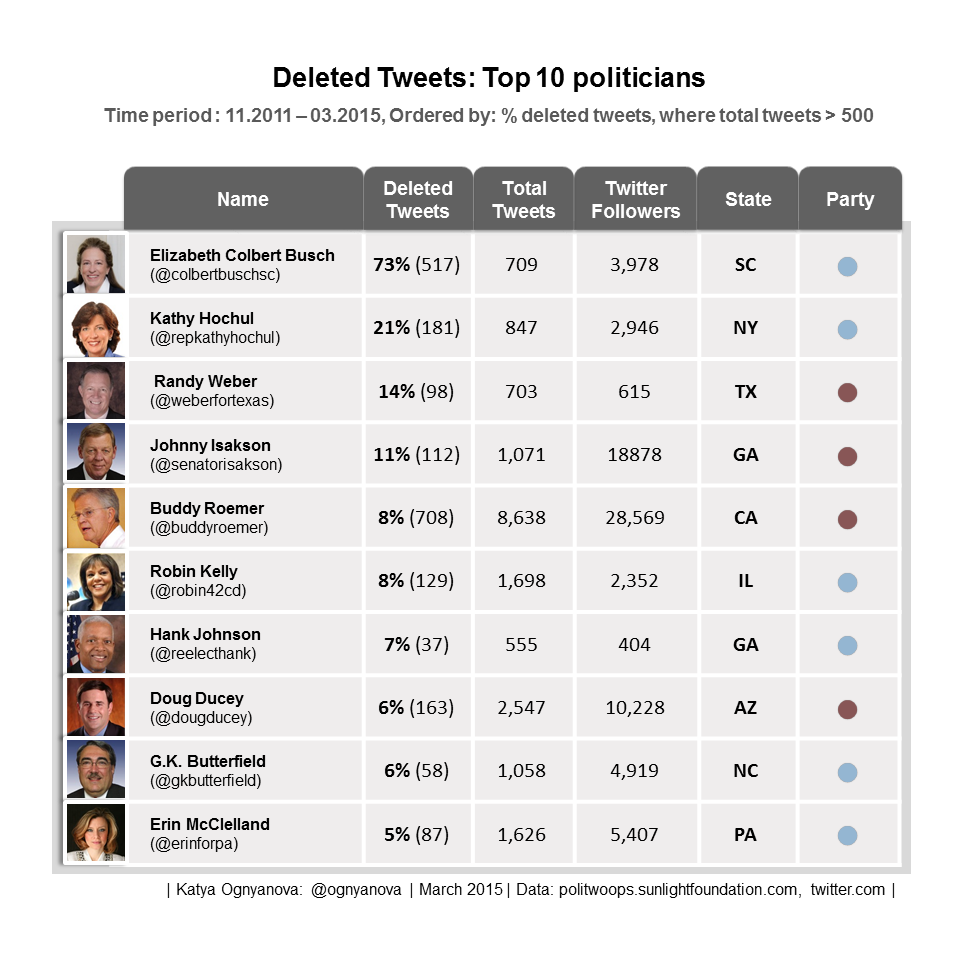
I am still working on that with colleagues at the lab. In the meantime, I’ve put together some descriptive statistics as charts: the most deleted terms, hashtags, and URLs by Democrats and Republicans, the states where politicians most often go back and edit their Twitter history, the top tweet-deleting politicians, tweet sentiment, a semantic network of deleted terms, and so on. Thanks to Open State’s Breyten Ernsting and Sunlight’s Nicko Margolies, whose helpful tweets clued me in on the data structure.
Jump to: politicians · descriptives · party · sentiment · URLs · states · terms · hashtags · term network
Politicians
Descriptives
Deleted tweets by party, 2011–2015
Tweet sentiment by party, 2011–2015
Deleted URLs
Deleted tweets per politician by state over time
All politicians
Democrats
Republicans
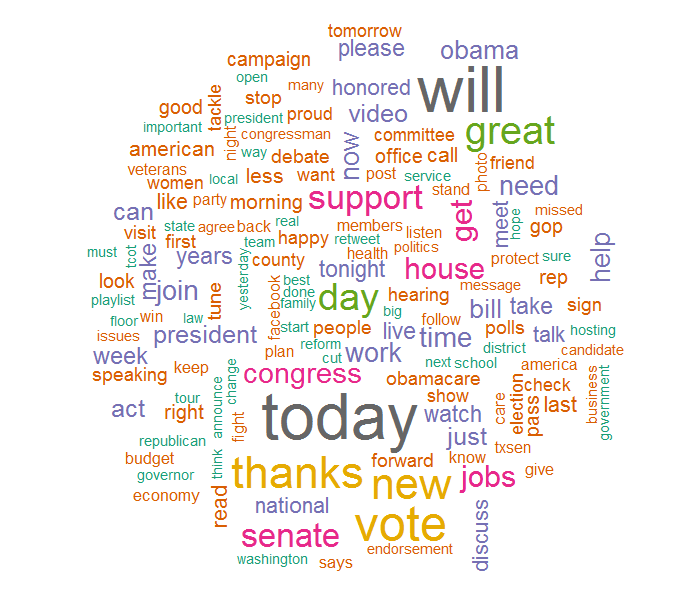
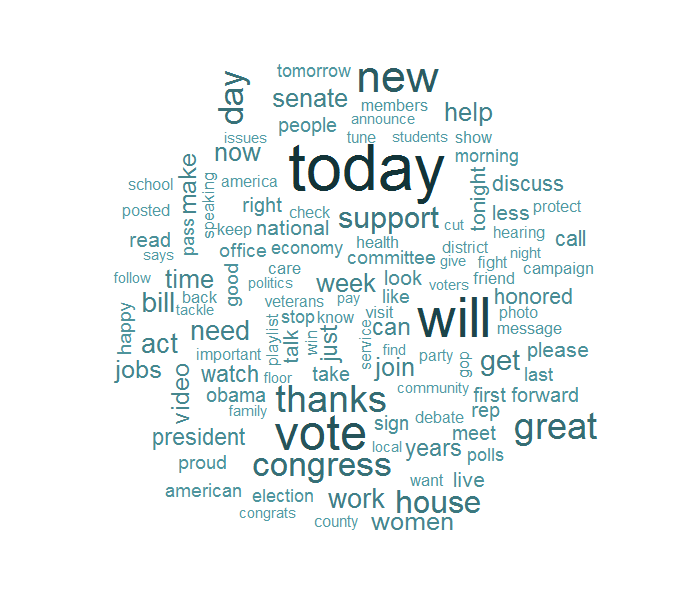
Top terms in deleted tweets, 2011–2015
All
Democrats
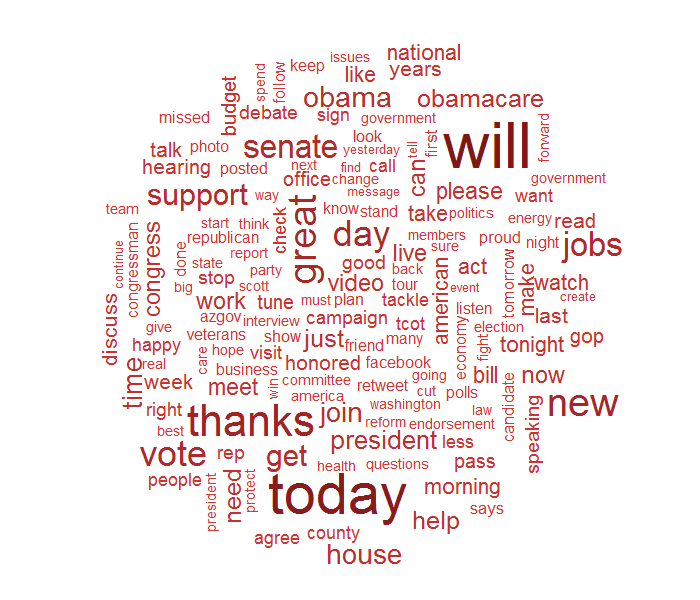
Republicans
Top hashtags in deleted tweets, 2011–2015
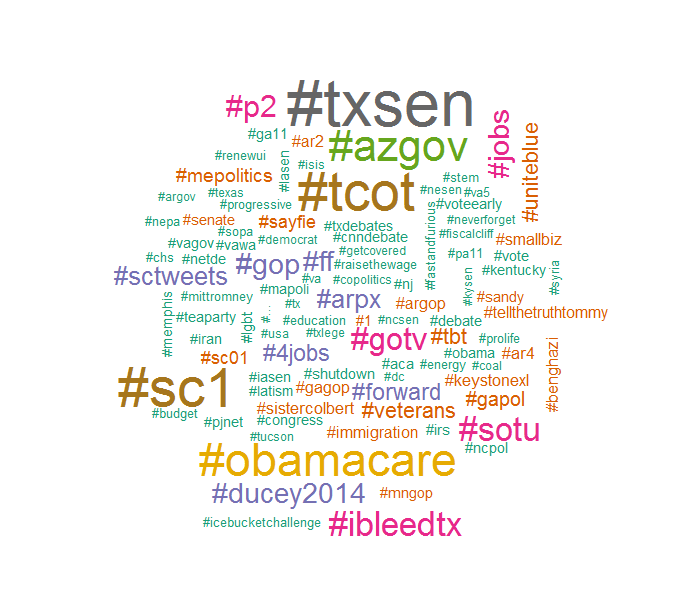
All
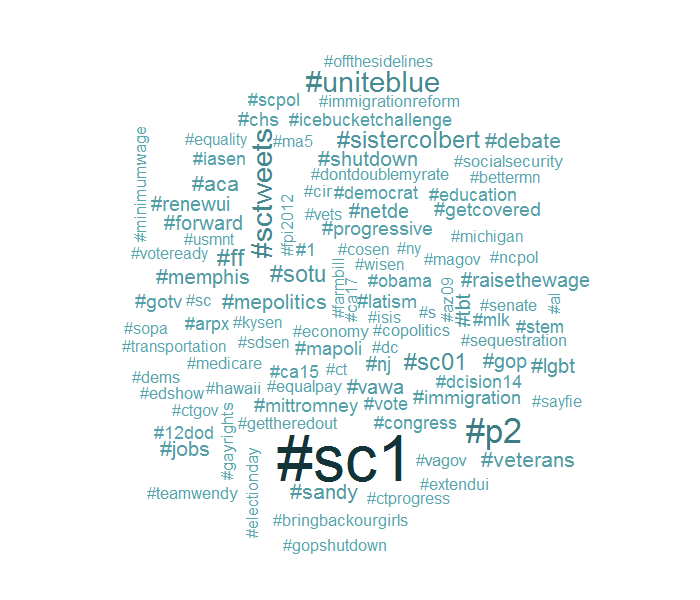
Democrats
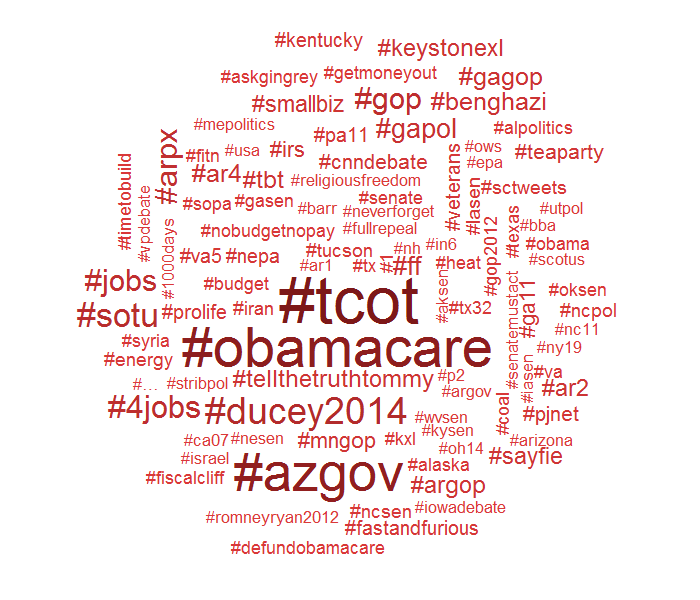
Republicans
The network of top terms in deleted tweets, 2011–2015
Data: Politwoops, Sunlight Foundation.